The Smart Parent’s Guide to Buying a Kids’ Bike
Fitness Coach
By
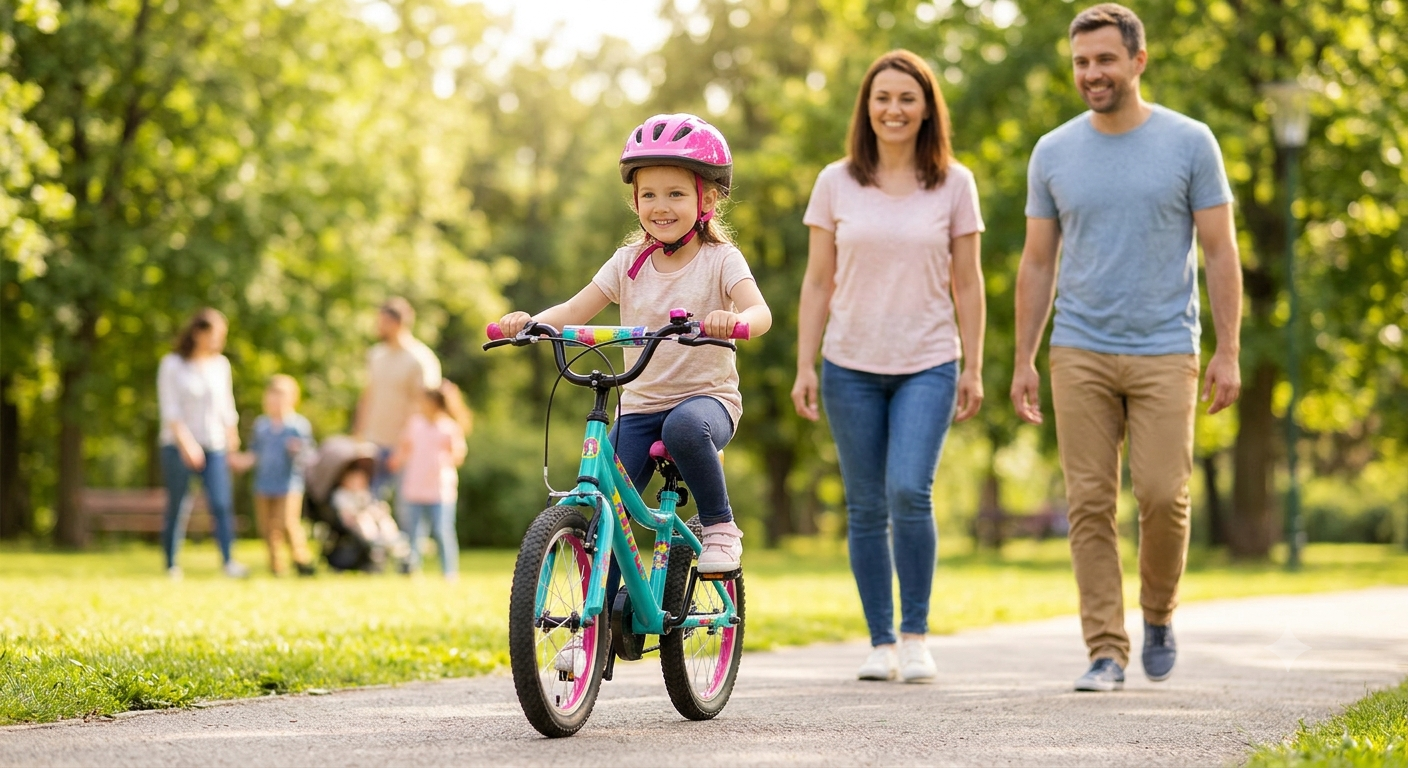
Buying your child their first bike is one of the most exciting moments in parenting. But it can quickly feel overwhelming when you are staring at rows of different sizes, brands, and styles. With the right guidance, finding the perfectly sized kids' bike becomes simple.
This guide walks you through everything you need to know, from understanding kids' bike sizes to choosing the right features for a safe, enjoyable ride.
Why Choosing the Right Size Bike is Important
Choosing the right bike size is not just about comfort. It is fundamentally about safety. A bike that is too big makes it difficult for a child to reach the handlebars or stop with confidence. A bike that is too small forces them into an uncomfortable riding position, straining their knees and limiting efficient pedaling.
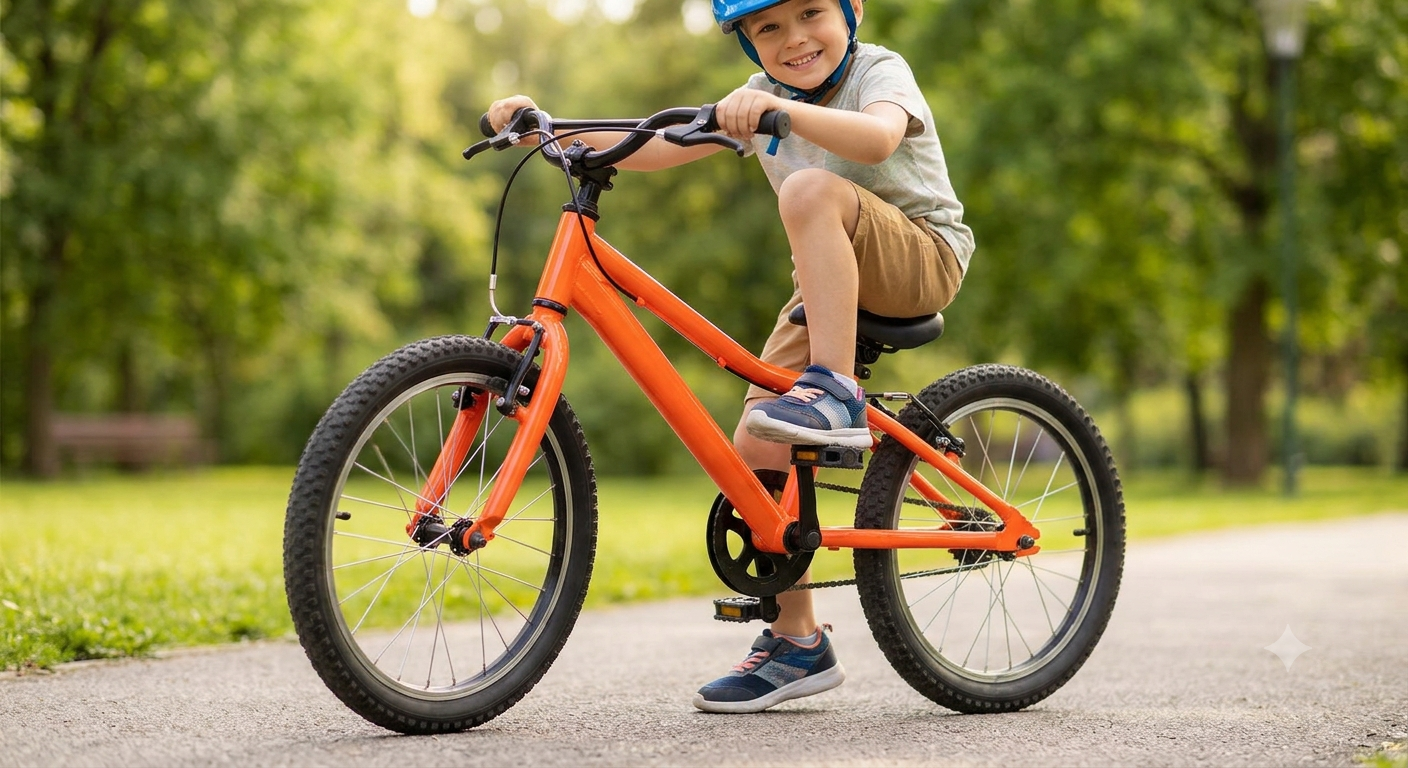
On a properly fitted bike, a child feels in control from their very first ride. They should be able to place at least the balls of their feet on the ground while seated, allowing them to stop safely at any moment. A good fit also reduces the risk of falls, which is especially important for younger riders still developing their balance, which is especially important for younger riders still developing their balance.
If you are ready to explore your options, browse a wide selection at Active Fitness Store's Kids Bikes collection, where quality and safety come first.
Kids Bike Size Measuring Chart
Unlike adult bikes, which are measured by frame size, kids' bikes are sized by wheel diameter. According to Schwinn Bikes, as the wheel diameter increases, so does the frame size. Wheel size is therefore the best starting point when comparing kids' bike sizes.[1]
Here is a general kids bike size chart based on age, height, and inseam:
| Wheel Size | Age Range | Child Height | Inseam |
| 12 inch | 2 to 3 years | 28 to 38 inches | 14 to 17 inches |
| 14 inch | 3 to 4 years | 36 to 40 inches | 15 to 20 inches |
| 16 inch | 4 to 6 years | 38 to 48 inches | 16 to 22 inches |
| 18 inch | 5 to 8 years | 42 to 52 inches | 20 to 24 inches |
| 20 inch | 7 to 11 years | 48 to 60 inches | 22 to 25 inches |
| 24 inch | 10 and above | 56 to 66 inches | 24 to 28 inches |
This bike size chart for kids gives you a solid starting point. Since every child grows differently, always combine the chart with an actual measurement for the most accurate results.
How to Measure The Right Bike Size For a Kid?
Most size charts focus only on height and age, skipping the most critical measurement: the inseam. According to Two Wheeling Tots, matching a child's inseam to the bike's seat height is the most accurate approach, even when buying online.[1] Follow these four steps:
Step 1: Measure the inseam.
Have your child stand against a wall in biking shoes. Slide a hardback book between their legs, pressing the spine firmly against their crotch. Measure from the top of the spine to the floor. That number is their inseam.
Step 2: Match Inseam to Wheel Size.
Use the kids' bike size chart above to narrow down the right wheel size. A child with a 19-inch inseam, for example, may fit both a 16-inch and a 20-inch bike.
Step 3: Consider Riding Experience.
A beginner needs both feet flat on the ground. A confident rider can balance on just their tiptoes, allowing for better leg extension and more efficient pedaling.
Step 4: Confirm Seat Height
Always check the minimum seat height of the specific model before buying. Seat height ranges vary between bikes, even within the same wheel size.
Types of Kid's Bikes
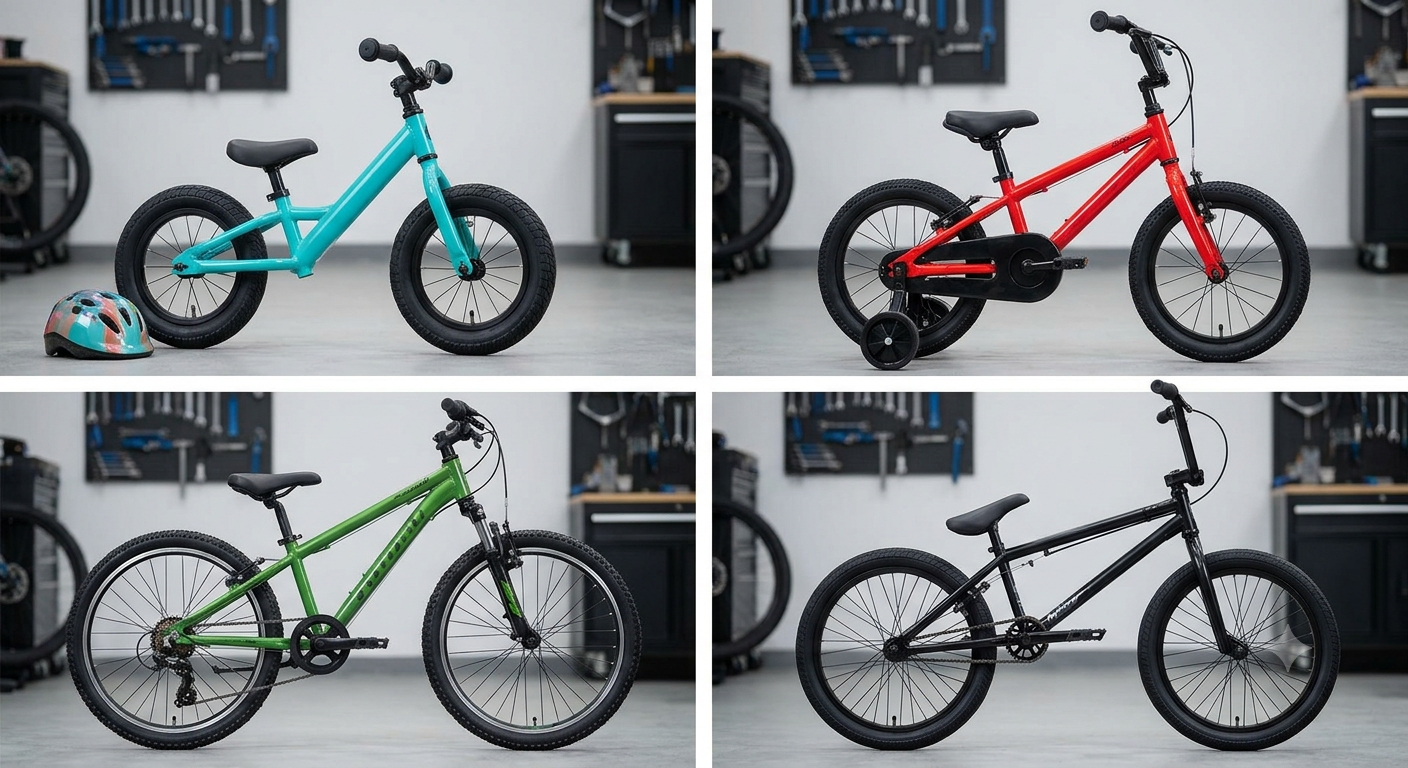
Understanding which bike size is right for your child also depends on the type of bike that matches your child's personality and riding environment.
Balance Bikes: Ideal for toddlers aged 2 to 4. Children push along with their feet, building balance naturally before moving on to a pedal bike.
Bikes with Training Wheels: A solid step between balance bikes and independent riding. The extra two rear wheels give beginners the confidence to pedal without fear of tipping over.
Kids Mountain Bikes: Perfect for children who enjoy outdoor trails and rough terrain. A mountain bike with front suspension handles bumps with ease. Browse the Active Fitness Store's mountain bike range for suitable options.
BMX Bikes: Compact and tough, BMX bikes suit children who enjoy tricks, skate parks, and short bursts of energetic riding.
Kids Road Bikes: Older children keen on speed and longer routes may be ready for a lightweight road bike sized for their build, delivering greater efficiency on smooth surfaces.
What Features Should I Look for on a Kids' Bike?
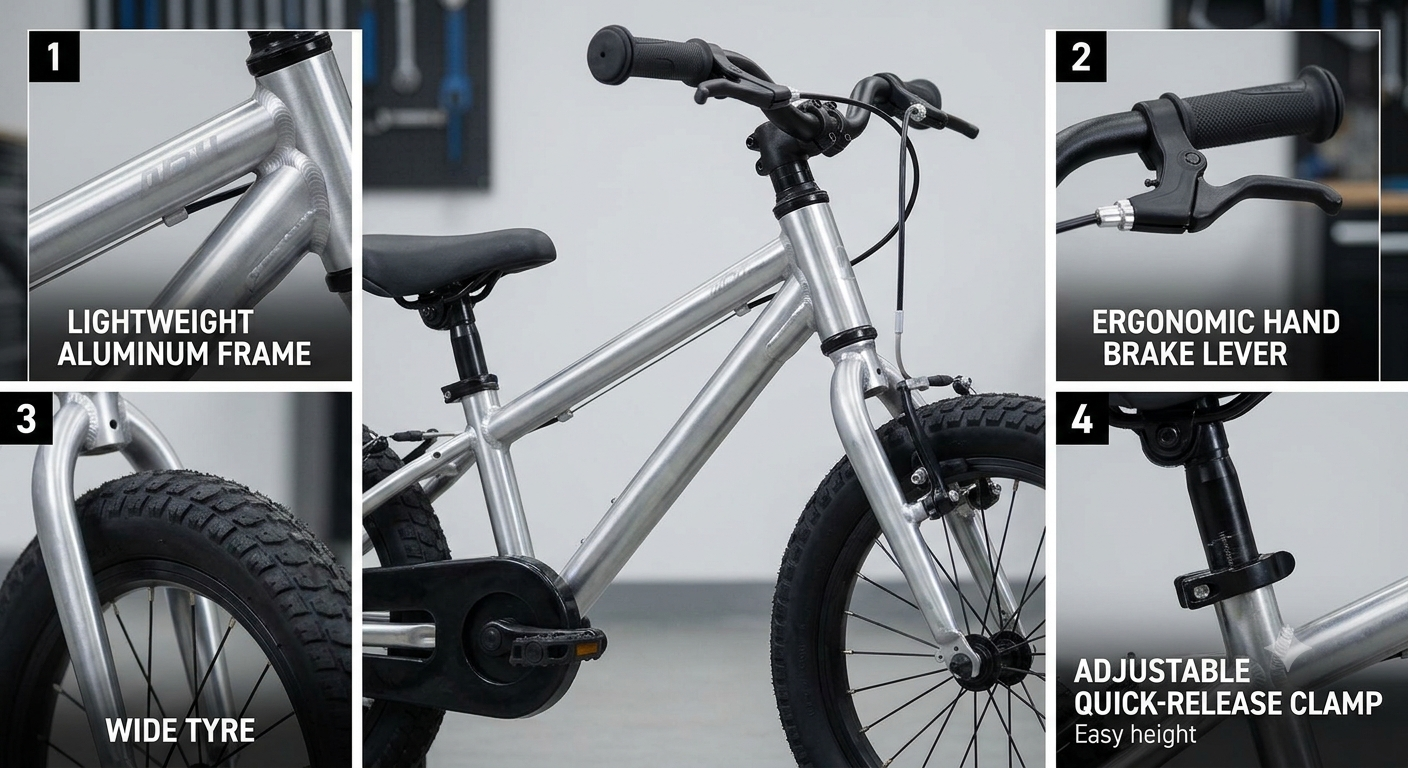
Once you know the right wheel size and type, these features make a real difference to safety and enjoyment:
Lightweight Frame: An aluminium frame keeps the bike easy for children to handle, lift, and steer without frustration.
Brakes: Younger riders do well with coaster brakes that stop the bike by pedaling backward. Older children benefit from hand brakes that offer more precise stopping control.
Adjustable Seat and Handlebars: A wide adjustment range lets the bike grow with your child, offering more riding years from one purchase.
Removable Training Wheels: These help beginners build early confidence. Easy removal supports a smooth transition to fully independent riding.
Wide Tyres: Wider tyres provide better grip and stability, which is especially helpful for younger riders on uneven surfaces.
After your purchase, the expert team at Active Fitness Store's bike service centre offers professional maintenance to keep your child's bike in top condition.
Common Bike Sizing Mistakes and How to Avoid Them
Even well-prepared parents fall into these traps when choosing kids' bike sizes:
Buying a size too big: Sizing up feels practical, but a bike that is too large is hard to control and often discourages young riders from continuing to cycle.
Relying only on age: Age is just a rough guide. Always use height and inseam to confirm the right fit, since two children of the same age can have very different body proportions.
Skipping seat height specifications: Two bikes with the same wheel size can have very different seat height ranges. Always check product specs before committing.
Ignoring riding confidence: A nervous beginner needs a lower seat so both feet rest flat on the ground.
Not doing a test ride: Whenever possible, let your child sit on the bike before buying. For hands-on guidance and a full range to explore, visit the Active Fitness Store bicycle shop in Dubai, where expert staff are ready to help.
Getting the right fit from day one keeps your child safe, confident, and excited on every ride.
Choosing the right bike for your child does not have to be stressful. When you start with a reliable kids bike size chart, measure your child's inseam accurately, and factor in their riding experience, you take all the guesswork out of the process. Remember that a well-fitted bike is not just a gift; it is an investment in your child's confidence, independence, and love of the outdoors.
Whether you are buying your toddler their very first balance bike or upgrading your older child to a full pedal bike for longer adventures, the right fit makes all the difference. Take your time, use the sizing steps in this guide, and do not hesitate to ask for expert advice. Active Fitness Store is proud to serve families across the UAE with a curated range of high-quality kids' bikes, professional fitting guidance, and dedicated after-sales support to keep every young rider rolling safely.
